


Is SMM Panel Legal? Yes, SMM panels aren’t illegal per se, but how you use their services counts. A lot of users purchase followers, likes, views and other services without even understanding whether it’s legal or against any social media policies and terms of use.
The biggest danger is the use of paid engagement. Fraudulent reviews, misleading advertising, or any type of manipulation of the data can create a lot of legal trouble in some countries. There are also social media policies that you should follow to avoid any restrictions on your account. So, what is allowed and what isn’t? Read about it in this guide.
What Is an SMM Panel?

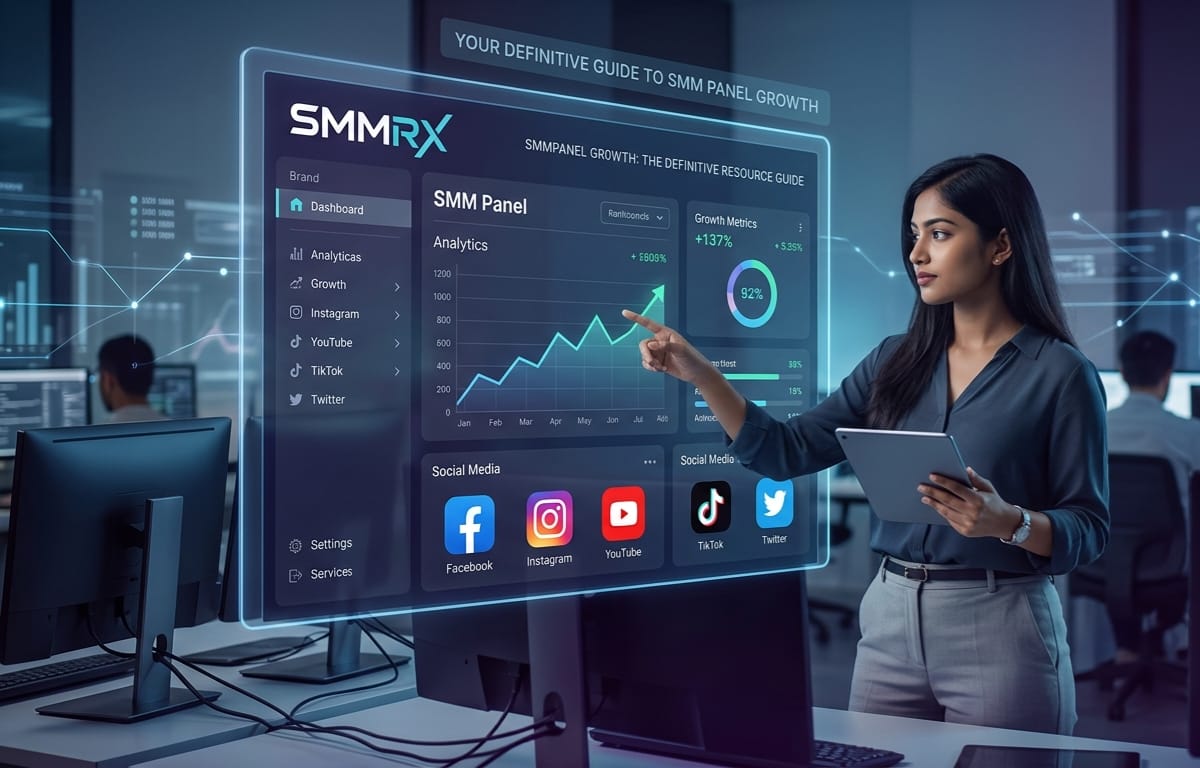
SMM panel is a virtual platform that provides social media promotion services such as followers, likes, views, comments, and shares at very affordable rates.
Businesses and content providers use SMM panels to promote their social media accounts and achieve their marketing objectives. This can help them to create visibility for their brands. When coupled with great content and marketing strategies, SMM panels can do wonders for your online presence.
Facebook, Instagram, YouTube, TikTok, and Telegram are the social media platforms for which you can find the services on SMM panels. You can simply choose your desired service, quantity, and order from the dashboard of the SMM panel.
Is Using an SMM Panel Legal?
Sure, the use of an SMM panel is legal in most cases, but it depends on the services and methods that you will use. SMM panels provide social media marketing services, but some actions can be against the law or the policies of social networks.
Is Buying Followers, Likes, and Views Illegal?
Purchasing followers, likes, and views is not illegal. It depends on what kind of engagement has been bought, what it will be used for, and which laws apply in your country.
Issues with legality may occur where businesses purchase fake engagement to manipulate the perceptions of customers, advertising agencies, or business partners about their popularity and influence. For example, in the United States, the Federal Trade Commission (FTC) has banned the purchasing of some specific fake engagement metrics as an effort to distort business influence. It is important to understand the distinction between paid promotion reaching real people and purchasing artificial engagement metrics.
What Is the Difference Between Laws and Platform Rules?
Laws are enacted and enforced by governments, whereas platform policies are established by the social media organizations. An action may be legal but may violate the platform policies of social media sites such as Instagram, Facebook, YouTube, and TikTok.